

Exploring Nature: Easy Trails for Beginners in National Parks

Welcome to our guide dedicated to Exploring Nature: Easy Trails for Beginners in National Parks. Together we’ll celebrate gentle paths with big rewards, helping first-time hikers discover confidence, curiosity, and joy on safe, scenic routes. Dive in, ask questions, and subscribe for fresh trail inspiration.

How to Choose Your First Easy National Park Trail

For a first outing, look for trails under three miles with minimal elevation gain. Gentle grades reduce fatigue and stress, letting you notice birdsong, sunlight on leaves, and small details that make the day memorable.

How to Choose Your First Easy National Park Trail

Prioritize well-marked paths with firm surfaces, restrooms at trailheads, and clear maps. Beginners benefit from predictable footing, straightforward directions, and reassuring wayfinding, especially when sharing the experience with kids or older relatives.

Beginner-Friendly Gear That Makes Every Step Comfortable

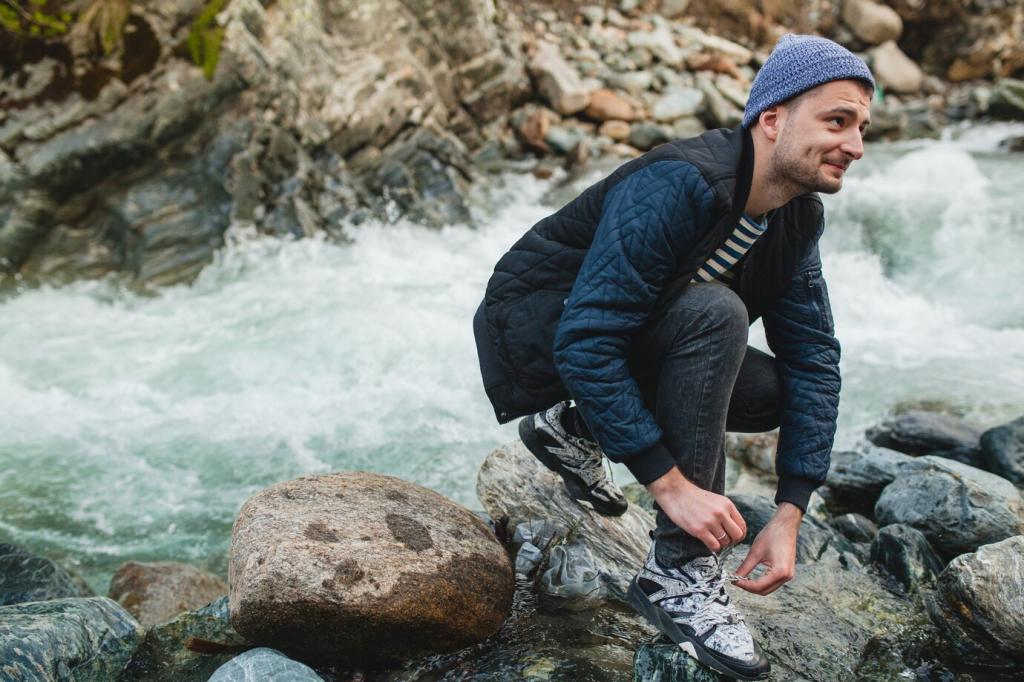
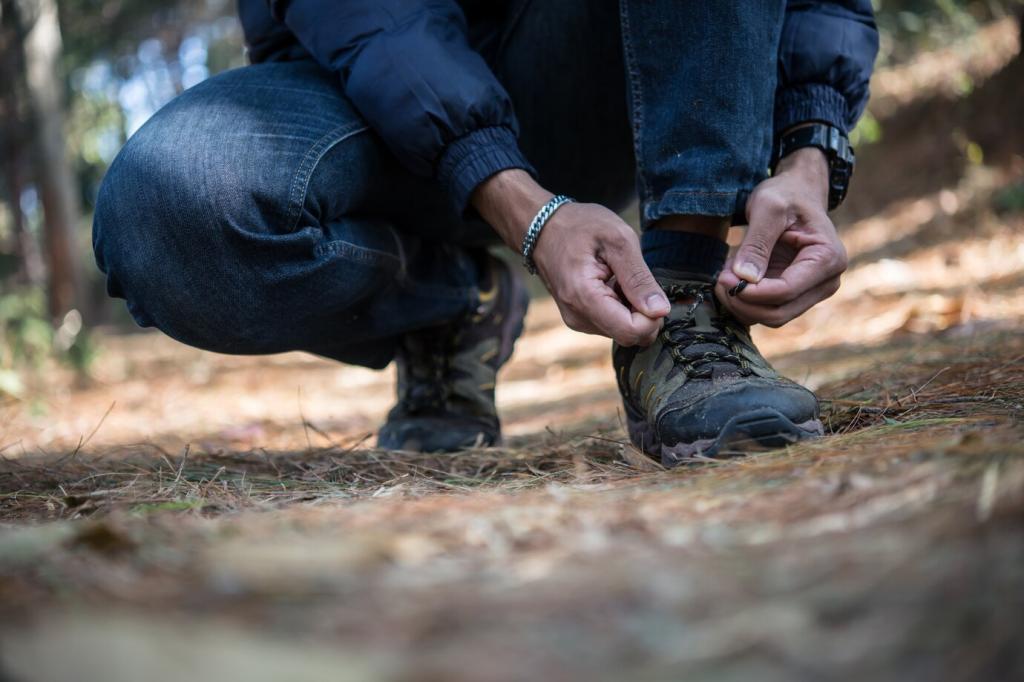
Choose supportive trail shoes with grippy soles and breathable uppers. Pair them with moisture-wicking socks to reduce friction. Try your footwear on a neighborhood walk first, making sure your toes have space and your heel stays secure.

Waterfall Walks That Wow Beginners

Look for short, accessible waterfall trails like Lower Yosemite Fall or Laurel Falls in Great Smoky Mountains. Misty air, thundering water, and shady paths create a cinematic first impression that often inspires a lifelong love of hiking.

Lakeside Loops for Confidence

Seek calm loops such as Bear Lake or Sprague Lake in Rocky Mountain National Park. Smooth paths, mirror-like reflections, and mountain backdrops provide plenty of photo stops, gentle pacing, and encouraging milestones for brand-new hikers.

Riverside and Coastal Strolls

Consider Zion’s Riverside Walk or the level stretches of Acadia’s Ocean Path. Flowing water and salt-kissed breezes keep senses engaged. These routes offer wide vistas and simple navigation, perfect for conversation, curiosity, and frequent pauses.

Stay on Marked Trails

Footsteps add up. Staying on designated paths prevents erosion, protects delicate plants, and keeps wildlife corridors intact. It also reduces getting lost, which is especially helpful when you’re still learning how to read signs and junctions.

Pack In, Pack Out, and Pack Smart

Bring a small bag for trash and micro-litter like wrappers or fruit peels. Natural spaces aren’t compost bins. Leaving a spotless trailhead teaches kids responsibility and quietly encourages others to do the same.

Respect Wildlife and Quiet Moments

Give animals generous space, store food properly, and keep noise low. Respectful observation reveals authentic behavior—deer grazing, birds feeding, or a fox slipping through grass—turning a simple walk into a reverent, unforgettable encounter.

Hiking With Kids, New Hikers, and Mixed Groups

Set Pace, Celebrate Progress

Agree on a relaxed pace and a clear turnaround time before starting. Celebrate milestones—a bend in the river, a bridge, a viewpoint—to keep motivation high and help nervous beginners feel supported rather than rushed.

Turn the Trail into a Game

Create a scavenger hunt for leaf shapes, bird calls, or rock textures. Counting wooden steps or spotting trail markers focuses attention and turns effort into exploration, especially helpful for children and anyone easing into longer walks.

Safety Checkpoints and Exit Plans

Identify safe rest spots and confirm cell coverage or offline maps. Share your route with someone not on the hike. Knowing you can turn around anytime makes trying a new trail feel brave instead of risky.

Breathe with the Landscape

Match your inhale to five steps, exhale to five more. Listen for wind in branches or water over stones. This simple rhythm calms nerves, deepens appreciation, and transforms a short walk into a restorative practice.

A Tiny Story from the Trail

On a quiet morning at Bear Lake, I watched a family discover their first alpine reflection. The youngest whispered, “The mountain is inside the water,” and everyone fell silent. That wonder is why easy trails truly matter.

Capture and Share Your Firsts

Jot a line in a pocket notebook or take two mindful photos—one wide, one close. Noticing textures, colors, and sounds builds a habit of attention that lingers long after your boots leave the path.

Plan Like a Pro: Research, Rangers, and Community

Check official park websites for current conditions, closures, and accessible routes. Download offline maps before you arrive. A tiny bit of planning simplifies decisions and helps you focus on scenery rather than logistics.

Plan Like a Pro: Research, Rangers, and Community

Rangers know which easy trails are shaded, less crowded, or wildlife-rich. A quick conversation can reveal a perfect timing window or a quiet overlook, turning an ordinary stroll into a highlight of your trip.
Elperfektion
Privacy Overview

This website uses cookies so that we can provide you with the best user experience possible. Cookie information is stored in your browser and performs functions such as recognising you when you return to our website and helping our team to understand which sections of the website you find most interesting and useful.