
Theme: Tips for First-Time National Park Hikers

Selected theme: Tips for First-Time National Park Hikers. Step into America’s epic landscapes with confidence, kindness, and curiosity. This friendly guide shares practical know-how, welcoming stories, and simple habits that turn a first hike into a lifelong love.

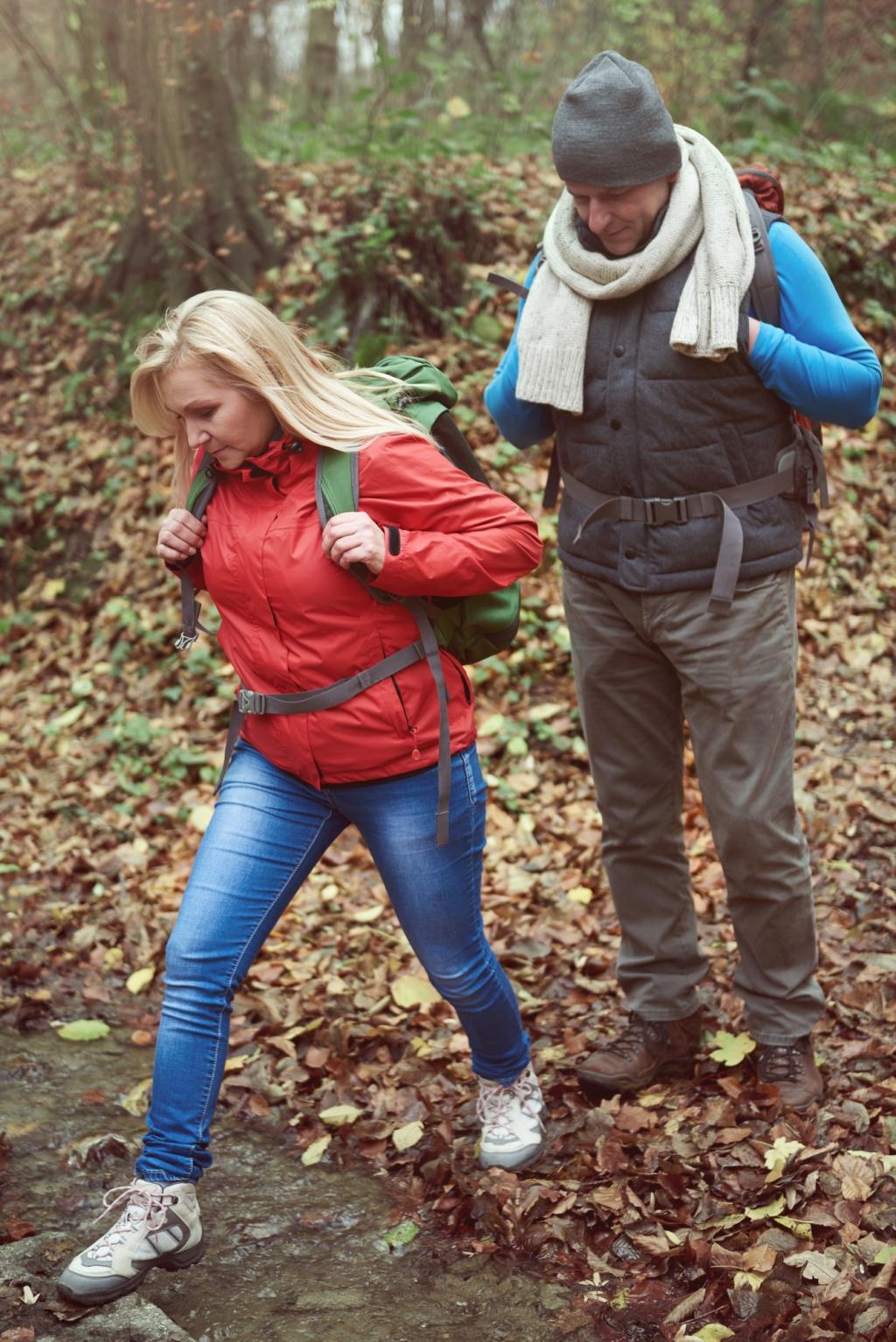
Mountain weather turns fast. Check forecasts for elevation-specific conditions, then pack breathable layers, a warm hat, and a real rain shell. Reassess at the trailhead and pivot if thunderheads build; smart flexibility beats stubborn plans every time.
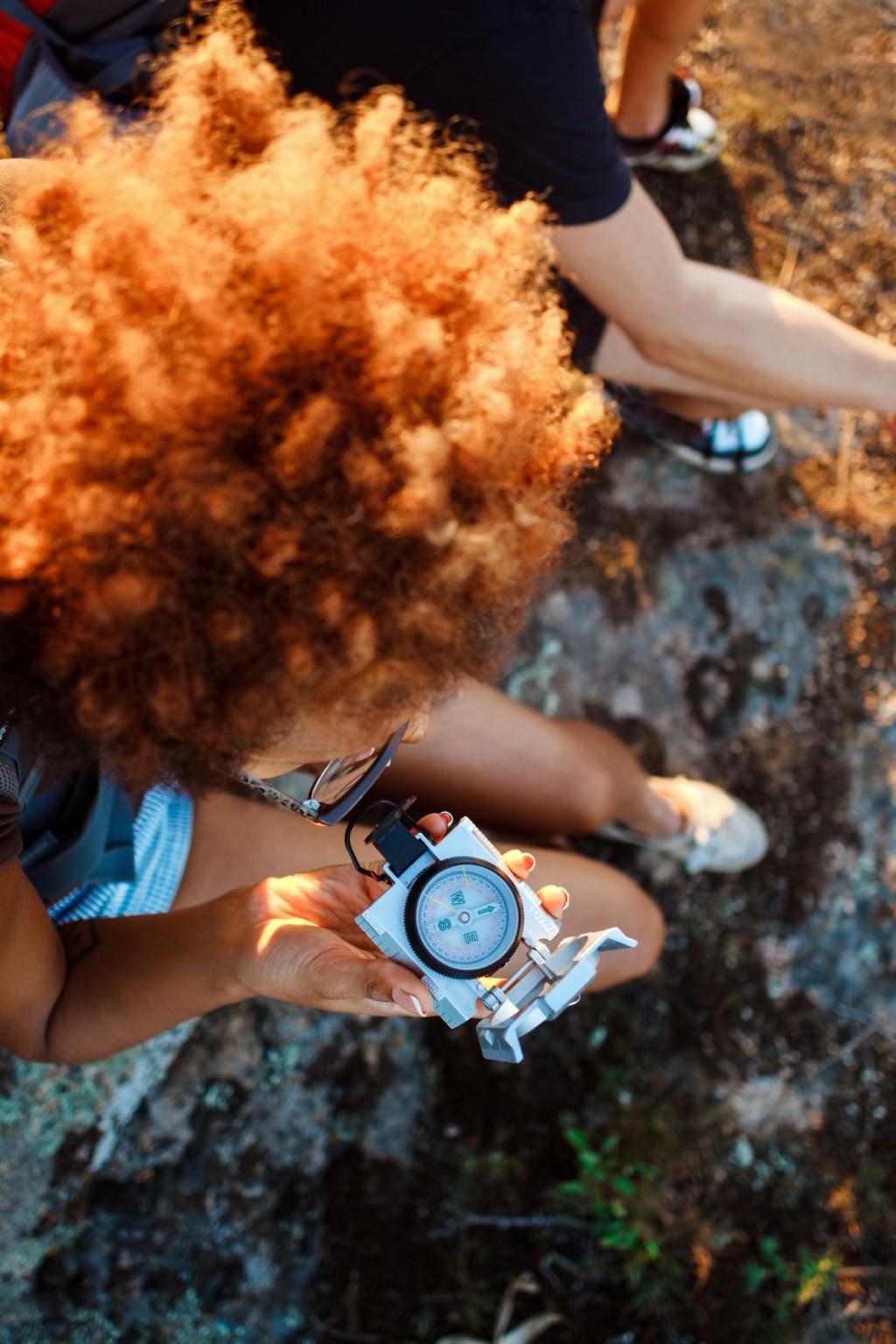
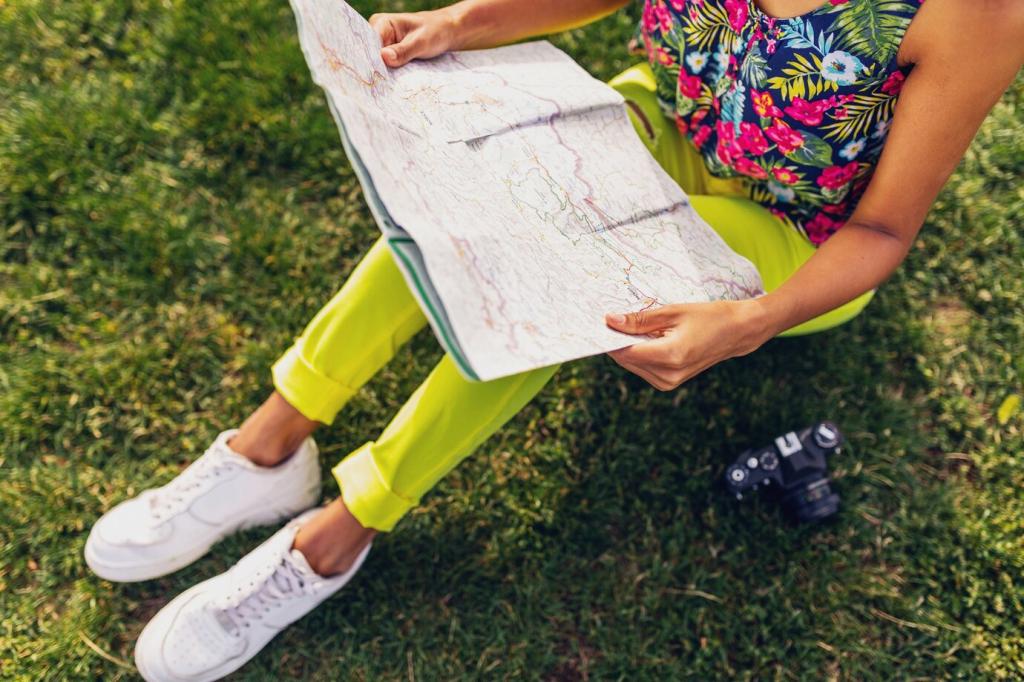
Carry a paper map and compass even if you love apps. Download offline maps, mark water sources, and practice orienting the map to terrain features. Batteries die; skills stick. Comment if you want our beginner map-reading mini-lesson.
Choose a conservative pace and set a firm turnaround time that preserves daylight. Factor group size, fitness, and photo stops. Celebrate turning back early when needed; saving energy today makes tomorrow’s hike safer and more memorable.

Leave No Trace, Learn to Belong

In deserts, cryptobiotic soil takes decades to recover from one footprint; in alpine meadows, a single shortcut widens scars. Follow signs, rocks, and boardwalks. The straight line is rarely the kindest path in national parks.
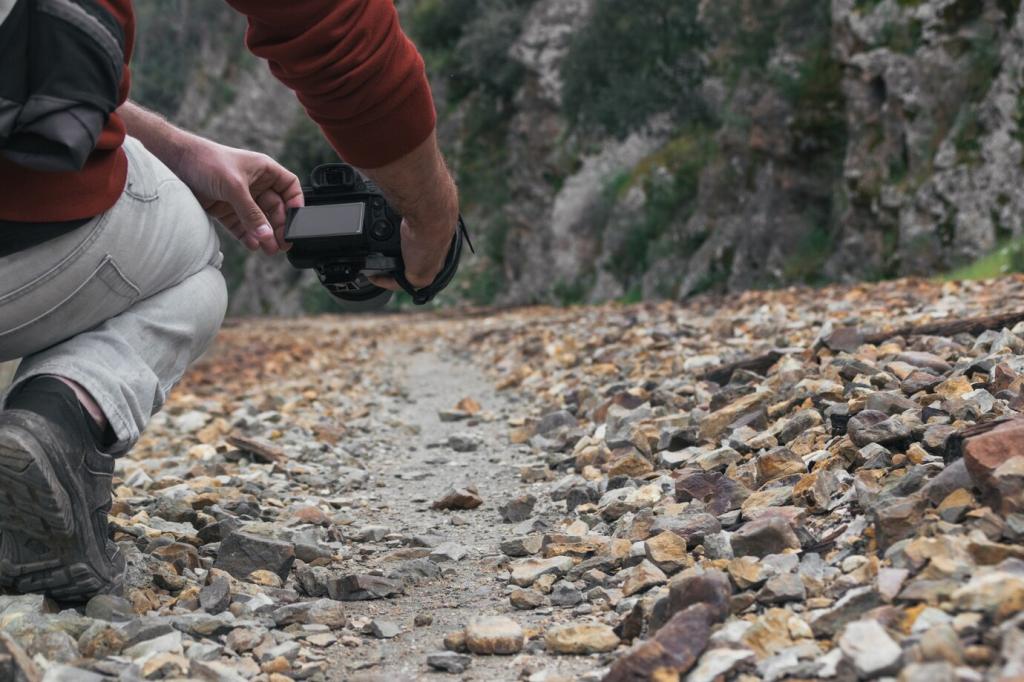
Use the rule of thumb: 25 yards from most wildlife, 100 from bears and wolves. Never feed animals. Zoom with your lens, not your feet. You’ll enjoy natural behaviors and keep everyone, including you, far safer.
Pack out all waste, including fruit peels, floss, and torn corner tabs. Keep scented items sealed, and use required lockers or canisters. Post a photo of your clean camp kit to inspire other first-time national park hikers.

Water Planning and Purification

Estimate at least half a liter per hour in cool weather, more in heat or high altitude. Confirm seasonal water sources, carry a backup purifier, and pre-hydrate. Clear water is not necessarily clean; treat everything before drinking.

Fuel Your Hike the Right Way

Balance quick carbs with fats and protein to avoid bonks. Think tortillas with nut butter, dried fruit, jerky, and salty snacks or electrolyte tabs. Schedule small, regular bites before hunger hits and your energy will stay steady.

Breaks That Keep You Moving

Take short, scheduled microbreaks to adjust layers, sip water, and check hot spots on feet. Choose scenic shade when possible. Intentional pauses prevent fatigue spirals and turn your first national park hike into a string of joyful moments.

Gear That Earns Its Keep

Footwear and Socks for First Miles

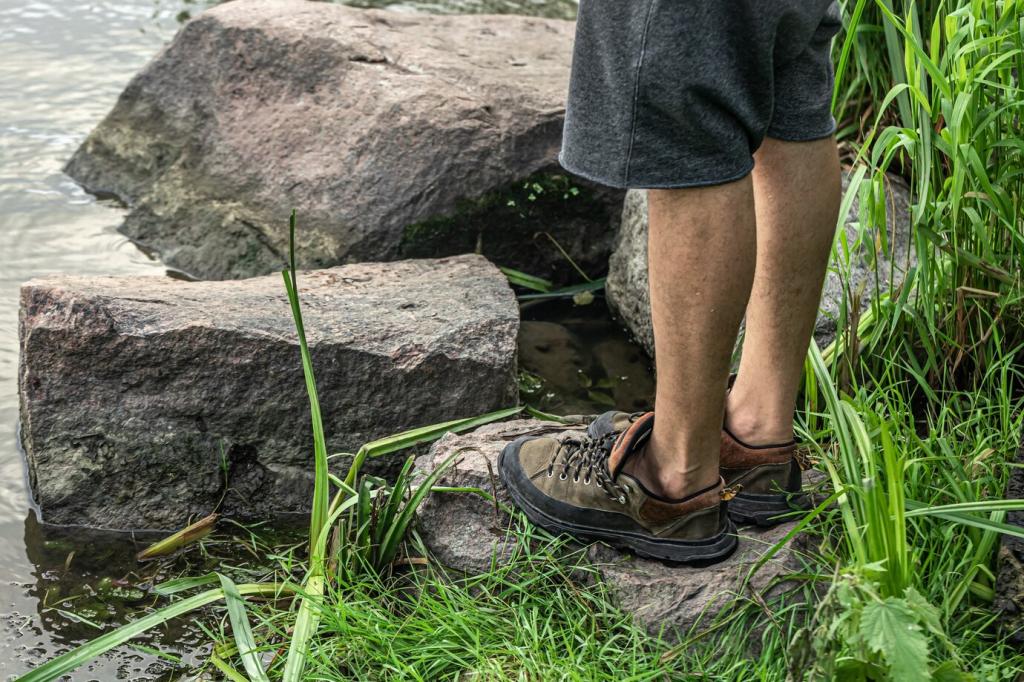
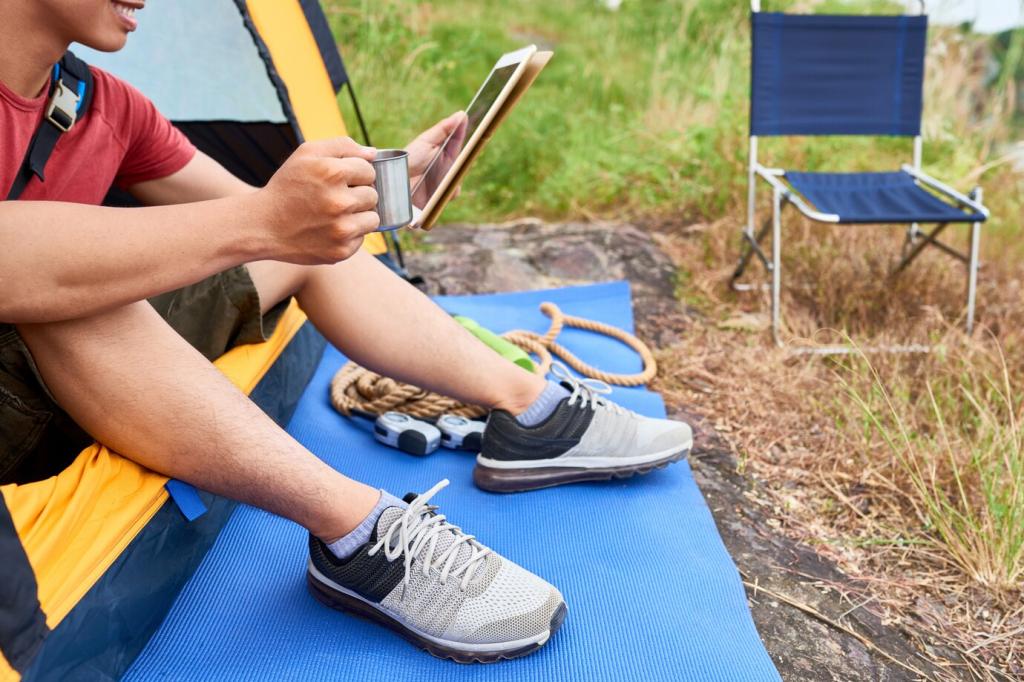
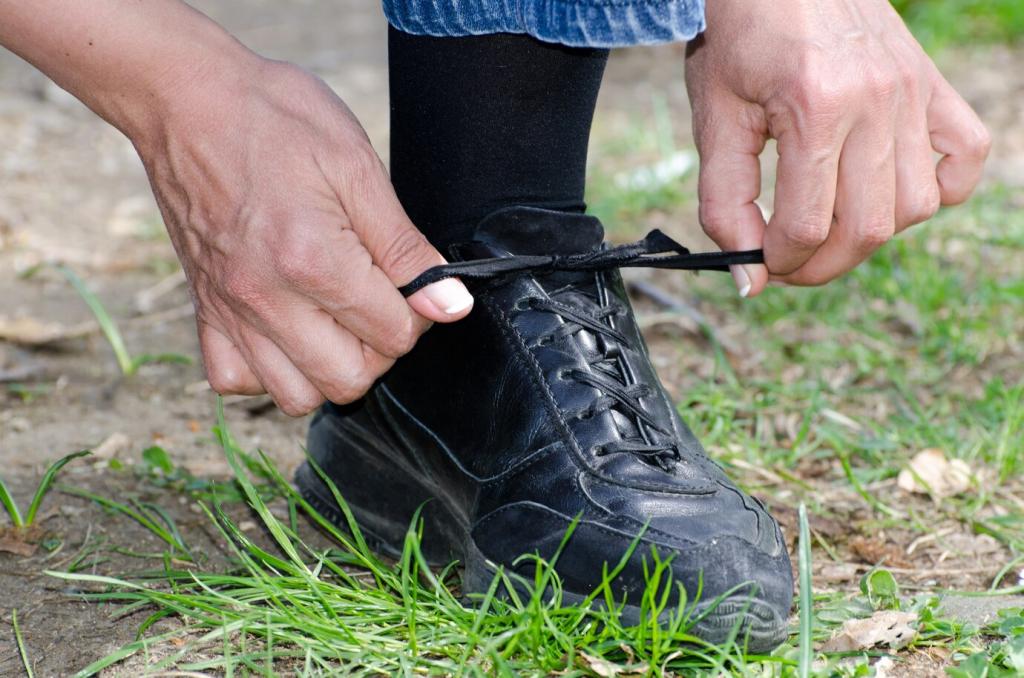
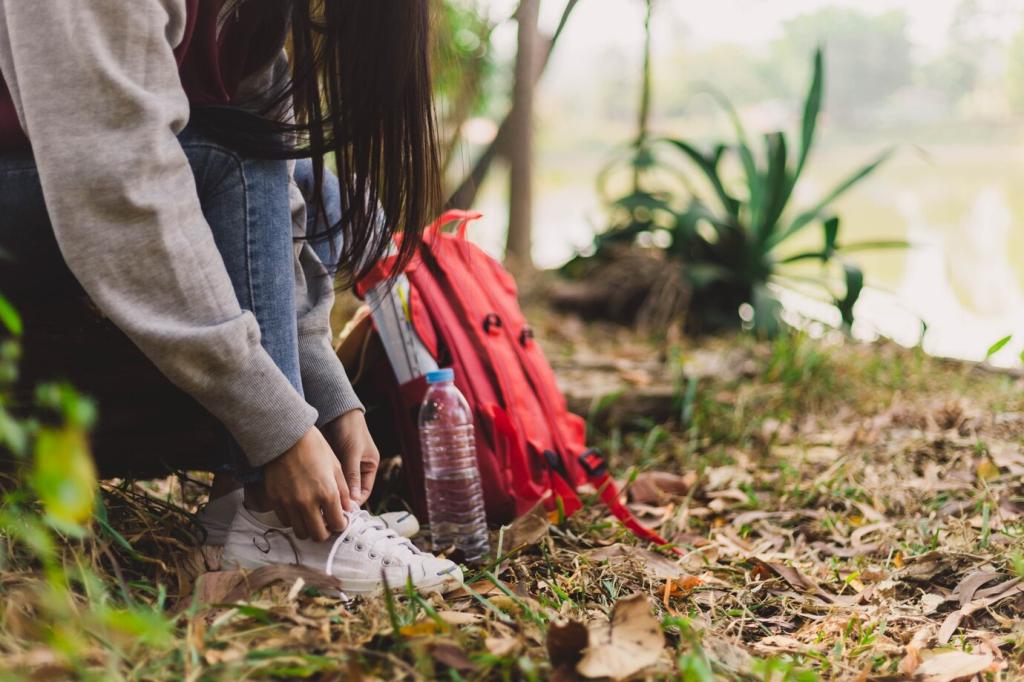
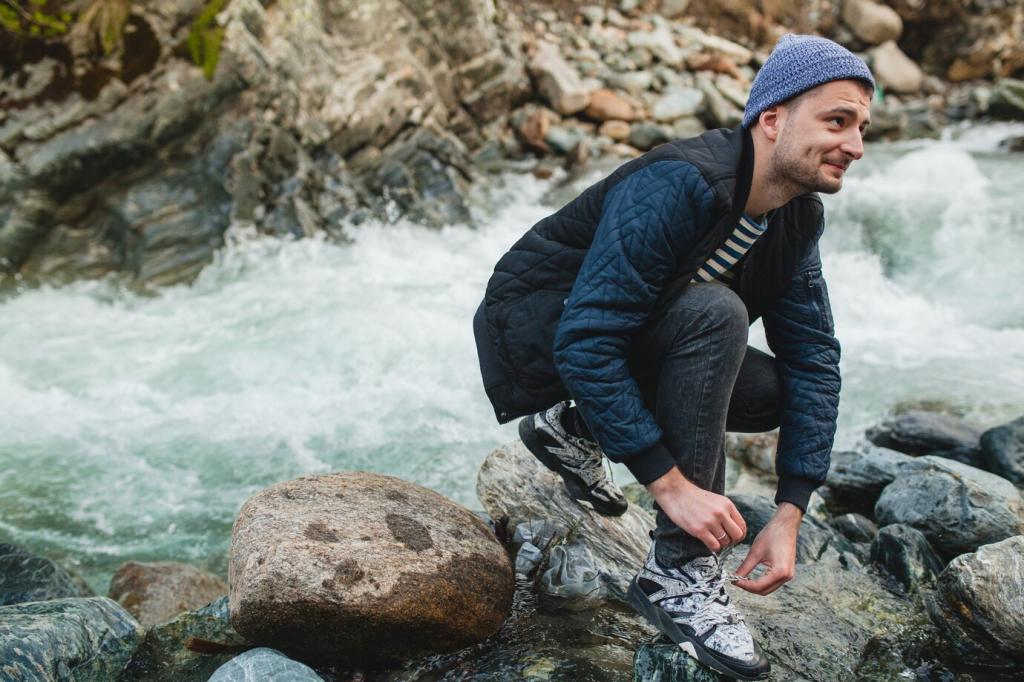
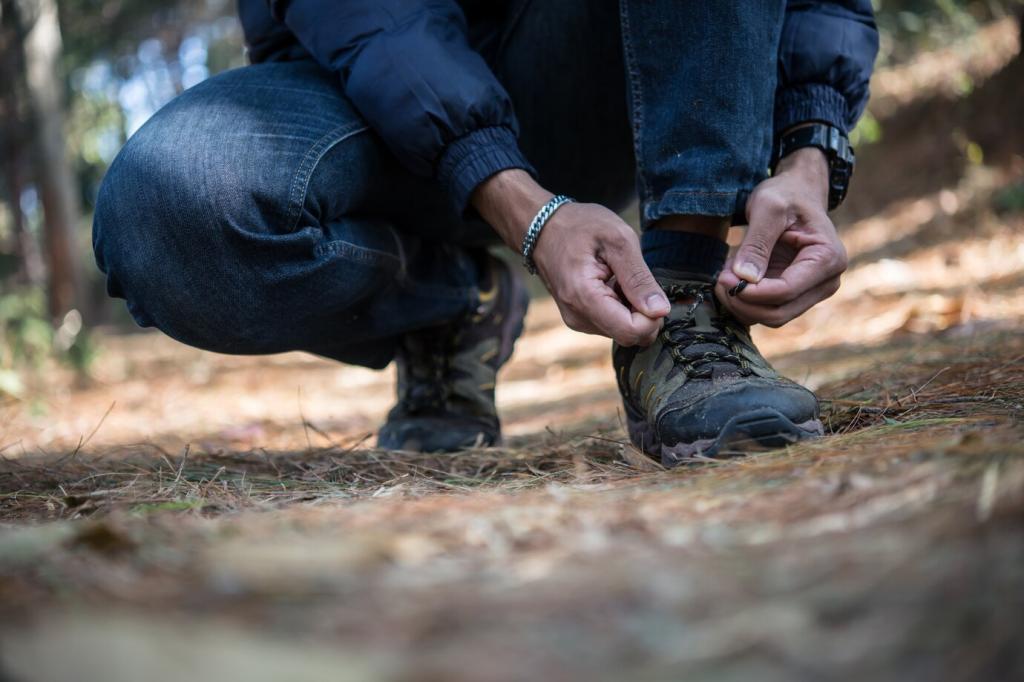
Comfortable, broken-in shoes with grippy soles matter more than marketing. Pair with wool or synthetic socks and consider thin liners. Test on stairs with a loaded pack to catch pressure points before you meet real rocks and roots.

Sun, Rain, and Temperature Layers

Sun hoodies, wide-brim hats, and sunglasses protect skin and energy. A breathable rain shell blocks wind and afternoon storms. Mornings can be cold even in summer; pack a light insulating layer so rest stops stay comfortable.

Stories and Mindset for a Memorable First Hike

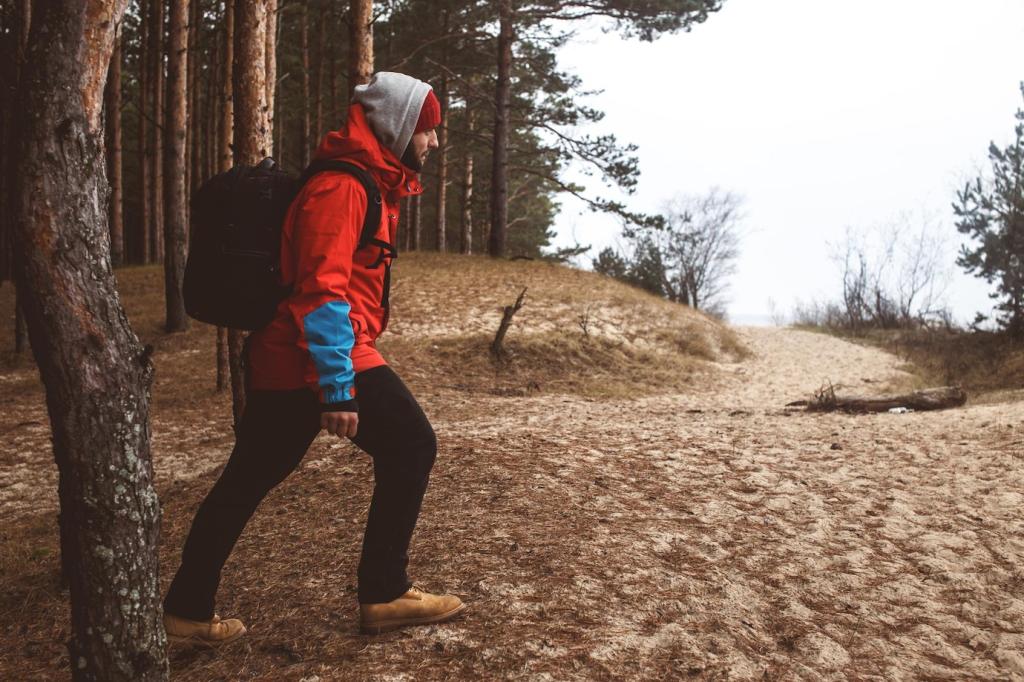
We began before sunrise, following a quiet trail that smelled like wet pine. Starting early gave us shade, time for detours, and space to pause at overlooks without crowds. That calm morning still guides our planning habits.

Stories and Mindset for a Memorable First Hike

At mile three, thunder rolled. We checked the radar, turned around, and laughed under shelter as rain hammered the parking lot. No summit photo, but no regrets either. Courage sometimes looks like saying, not today, and trying tomorrow.
Elperfektion
Privacy Overview

This website uses cookies so that we can provide you with the best user experience possible. Cookie information is stored in your browser and performs functions such as recognising you when you return to our website and helping our team to understand which sections of the website you find most interesting and useful.