Safety Tips for Novice Trail Explorers in National Parks
Chosen theme: Safety Tips for Novice Trail Explorers in National Parks. Welcome! This friendly guide blends practical know-how with real trail moments so your first hikes feel confident, curious, and calm. Share your goals for the season in the comments and subscribe for fresh, ranger-informed advice.
Read the Map Like a Friend You’ll Trust
Study distance, elevation gain, trail type, and daylight before you lace up. Topo lines reveal climbs that photos hide, while mileage helps you pair ambition with energy. Drop a comment with your chosen route, and we’ll suggest beginner-friendly checkpoints.
Permits, Hours, and Current Alerts
Check the park website for permits, seasonal closures, shuttle changes, and wildlife advisories. Cell service fades fast beyond parking lots, so download details beforehand. If you’ve spotted a confusing alert, ask below—our community and moderators often have timely tips.
Tell Someone Your Itinerary
Leave your route, trailhead, group size, and return time with a trusted friend. Agree on a check-in window and clear steps if you’re late. Use our comment template to practice your itinerary today and encourage others to adopt this lifesaving habit.
Navigation Confidence for First-Time Hikers
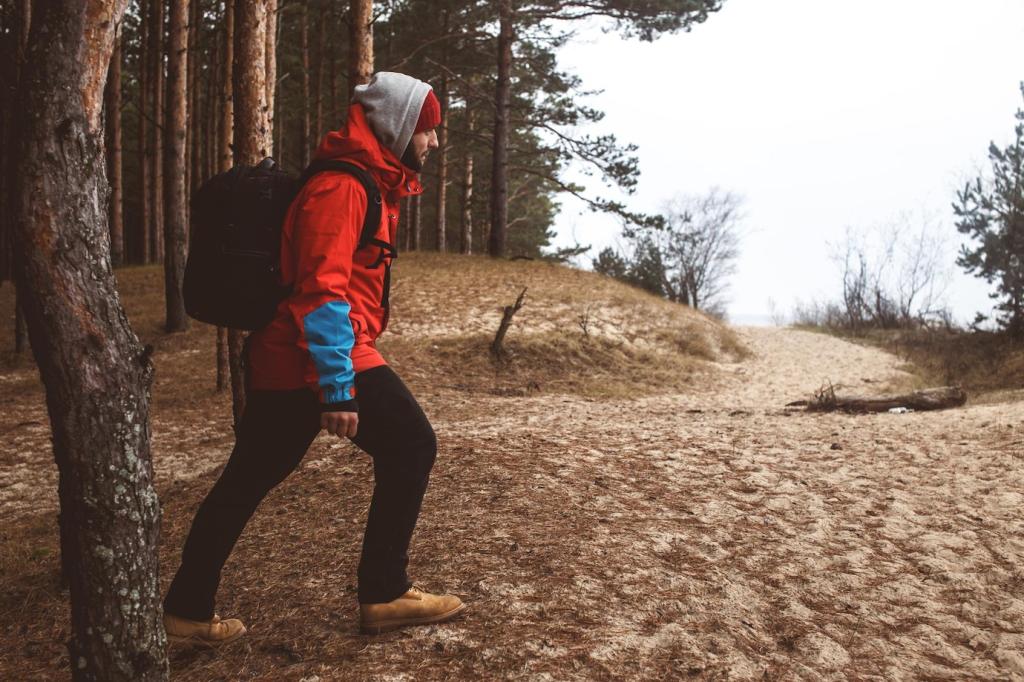
Notice colored blazes on trees, cairns on open rock, and numbered posts at junctions. Pause at each sign, confirm your direction, and snap a quick photo. A ranger once told me most rescues start with one missed junction—slow down here, and you’re already safer.
Stay on trail, store food securely, and keep at least several car lengths from large mammals. Avoid eye contact, never feed wildlife, and move calmly if you surprise an animal. Share your questions about bear cans, spray, or safe viewing to get park-specific guidance.
Storms, Lightning, and Sudden Shifts
Mountain weather turns fast. If thunder follows lightning within seconds, create space from peaks and isolated trees, and avoid ridgelines. Pack a shell even when forecasts look kind. Tell us your local forecast quirks, and we’ll help interpret them for safer timing.
Trail Hazards You Can Anticipate
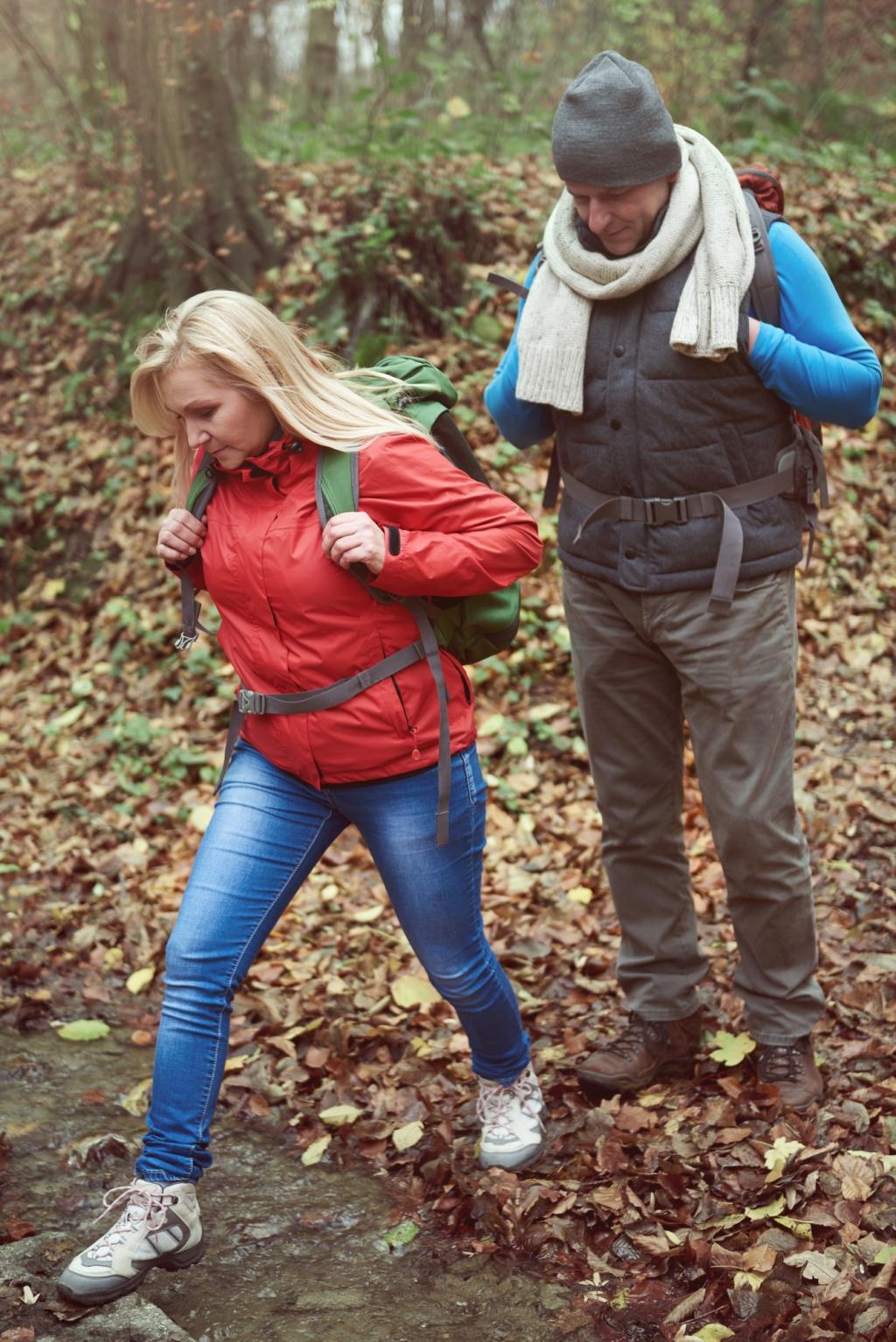
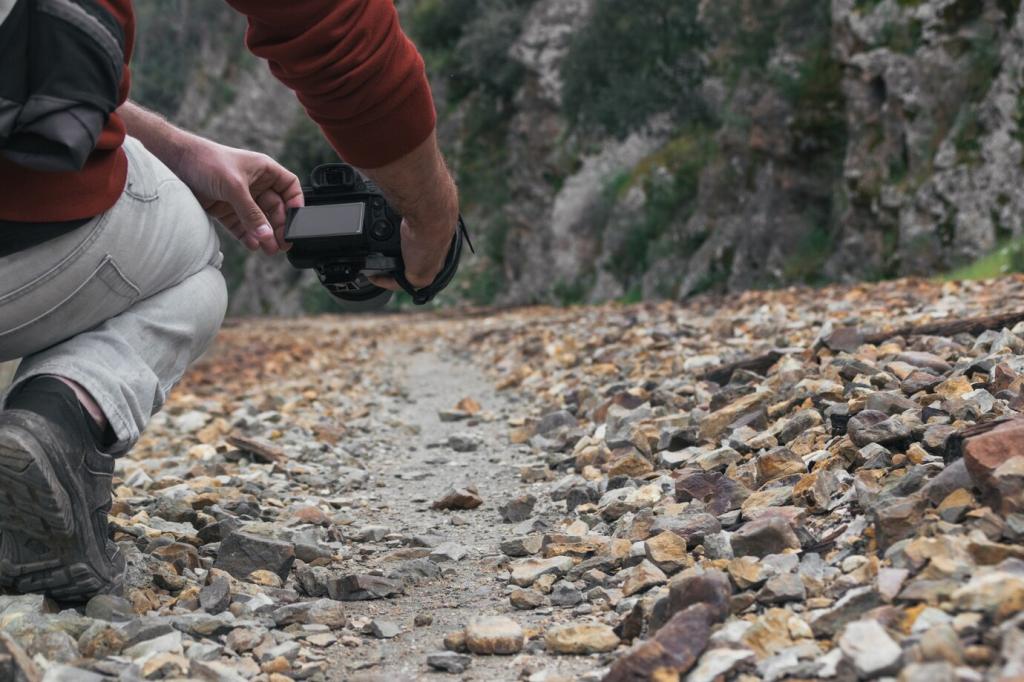
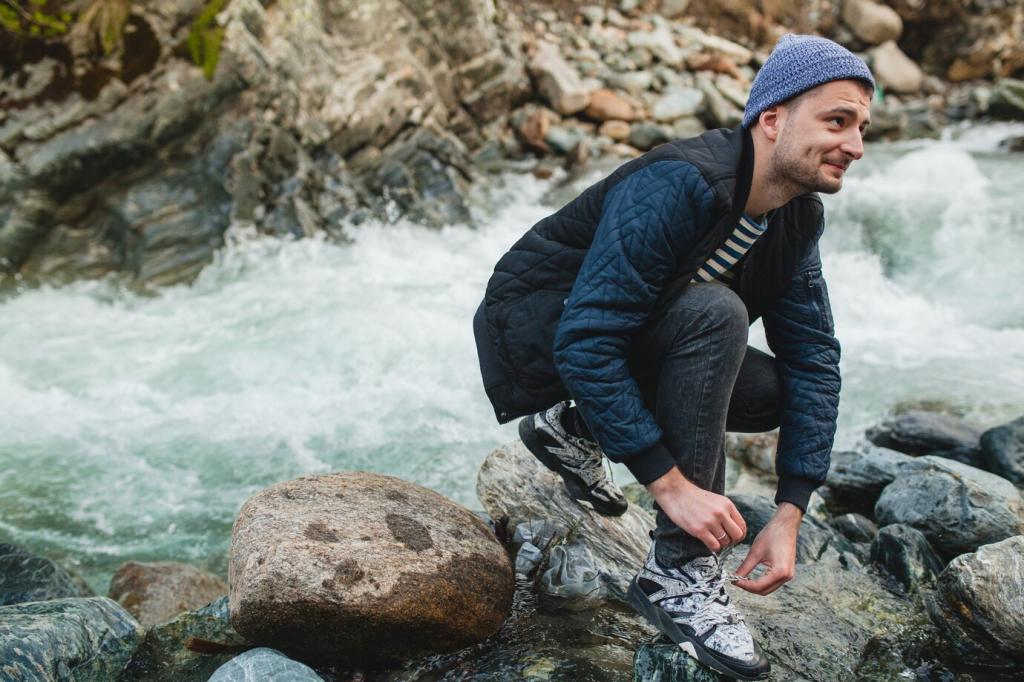
Watch for loose rock, slick roots, and fast-moving creeks. Use trekking poles to test depth and stability, and unbuckle your hip belt at tricky crossings. Share a hazard you handled well recently—your story might protect a newcomer heading out this weekend.
Leave No Trace and Beginner Trail Etiquette
Cutting switchbacks erodes trails and creates confusing social paths. Staying on rock, sand, or established tread protects fragile meadows and keeps you from getting disoriented. Share a place where you’ve seen trail braiding, and we’ll discuss polite ways to model good habits.
Leave No Trace and Beginner Trail Etiquette
Uphill hikers get priority; step aside safely and communicate clearly. Leash dogs where required and keep groups tight at narrow spots. What passing phrases feel natural for you? Post one or two, and we’ll build a friendly beginner toolkit together.
Leave No Trace and Beginner Trail Etiquette
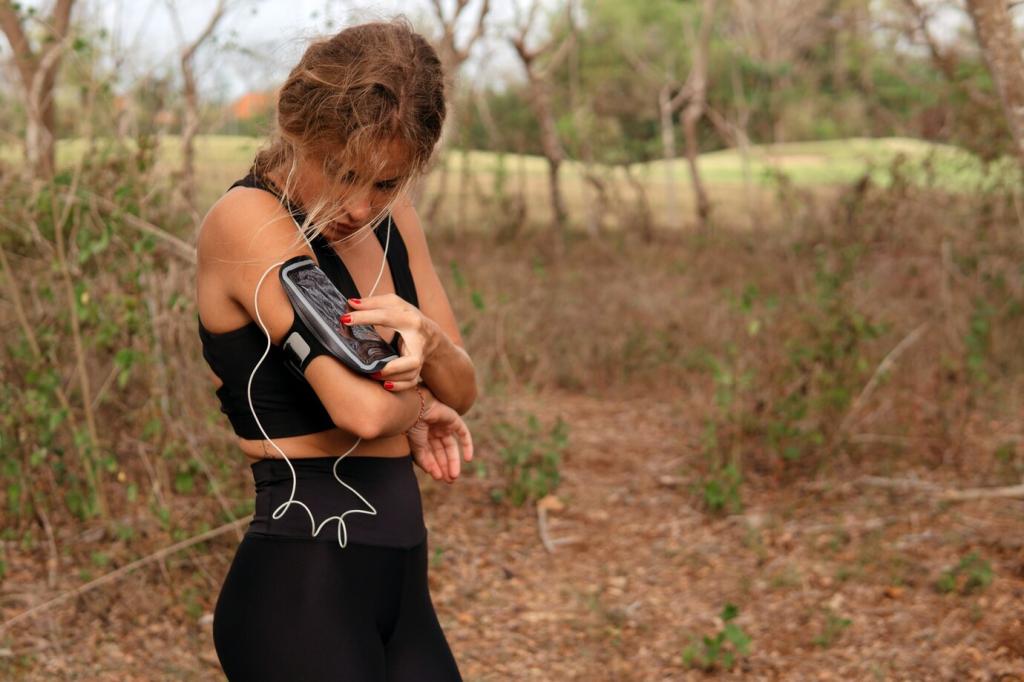
Keep music to headphones and voices low at viewpoints so everyone can hear wind, water, and birds. Leave places better than you found them. Share a quick moment of quiet you cherished on a trail to encourage mindful hiking for new explorers.