Pack Smart, Roam Far: Essential Gear for National Park Trail Adventures

Chosen theme: Essential Gear for National Park Trail Adventures. From dawn trailheads to sunset overlooks, this guide helps you carry exactly what matters—no more, no less. Dive in for field-tested tips, quick wins, and real stories from the trail. Share your pack list in the comments and subscribe for fresh gear wisdom each week.

Backpack Fit and Smart Packing

Match pack size to the day: 18–30 liters for day hikes, 30–45 for long shoulder-season routes with layers, and more only when regulations demand bear canisters. Try packs loaded with weight in-store and walk for five minutes. Your hips, not your shoulders, should carry the load.

Footwear and Trail Traction

Boots vs. trail runners: find your stride

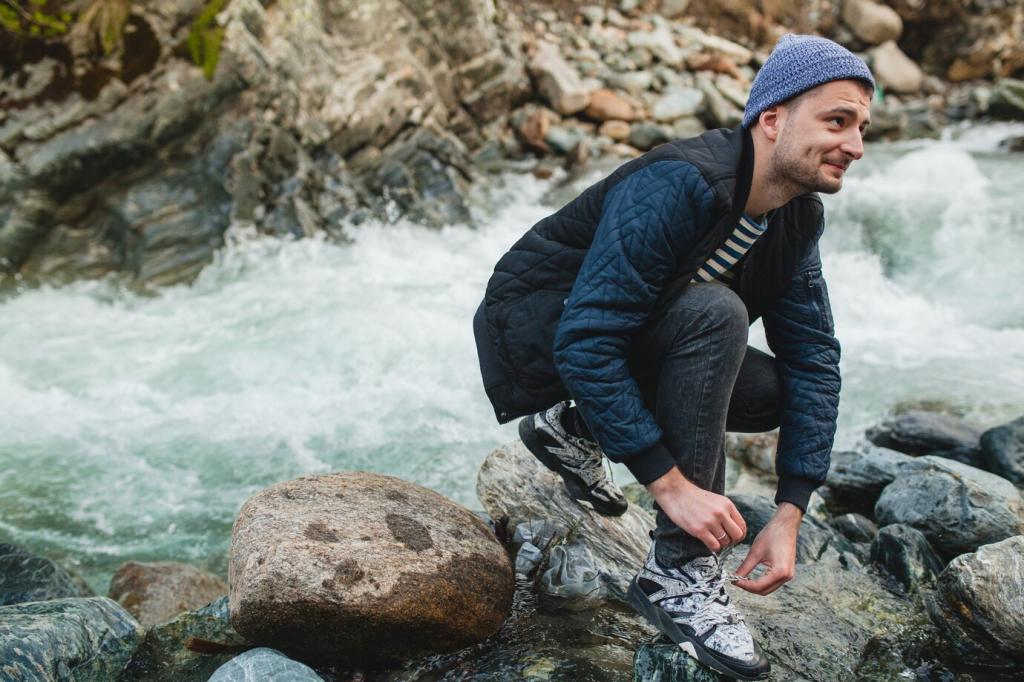
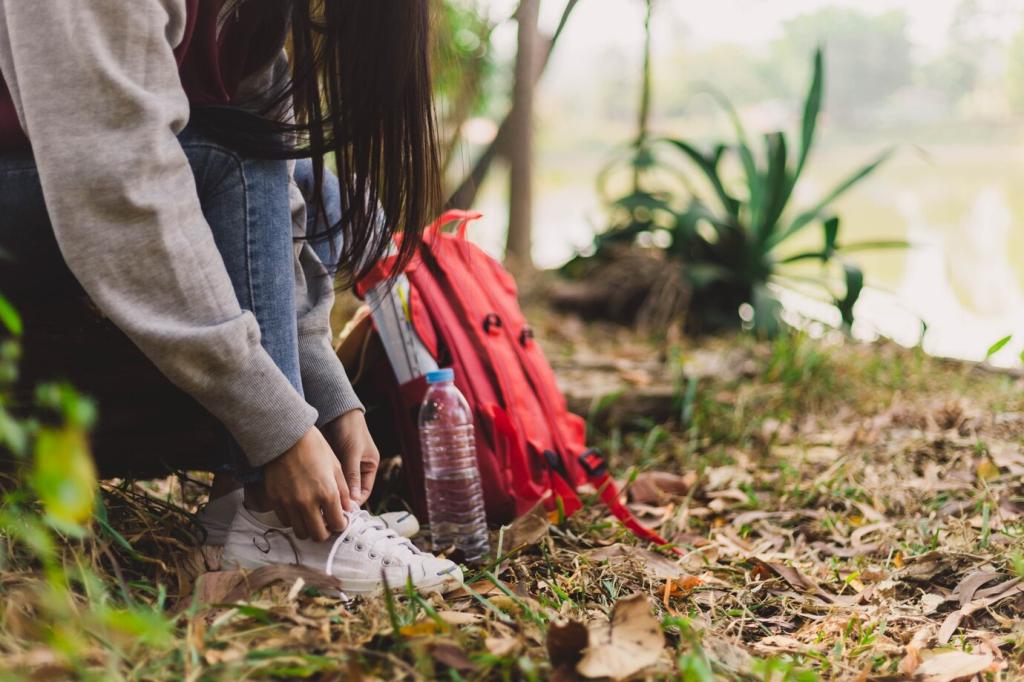
Light trail runners breathe and dry fast for hot, long days; mid boots offer ankle structure and rock protection on rugged routes. Break in whatever you choose before the trip and pair with the right socks. My worst blister came from ignoring hot spots—never again.

Socks, liners, and blister prevention

Merino or synthetic socks manage moisture; add thin liners for friction control on high-mileage days. Pre-tape hot spots with Leukotape or use friction-reducing balm. Air feet at lunch, swap damp socks, and carry a tiny needle for drainage if needed. Your toes will thank you later.

Microspikes and trekking poles for confidence

Early-season snow or icy sections? Microspikes transform sketchy traverses into controlled steps. Trekking poles act as shock absorbers and a third point of balance, especially on descents. Check current conditions with rangers and let us know which traction setups saved your hike.

Navigation That Never Fails

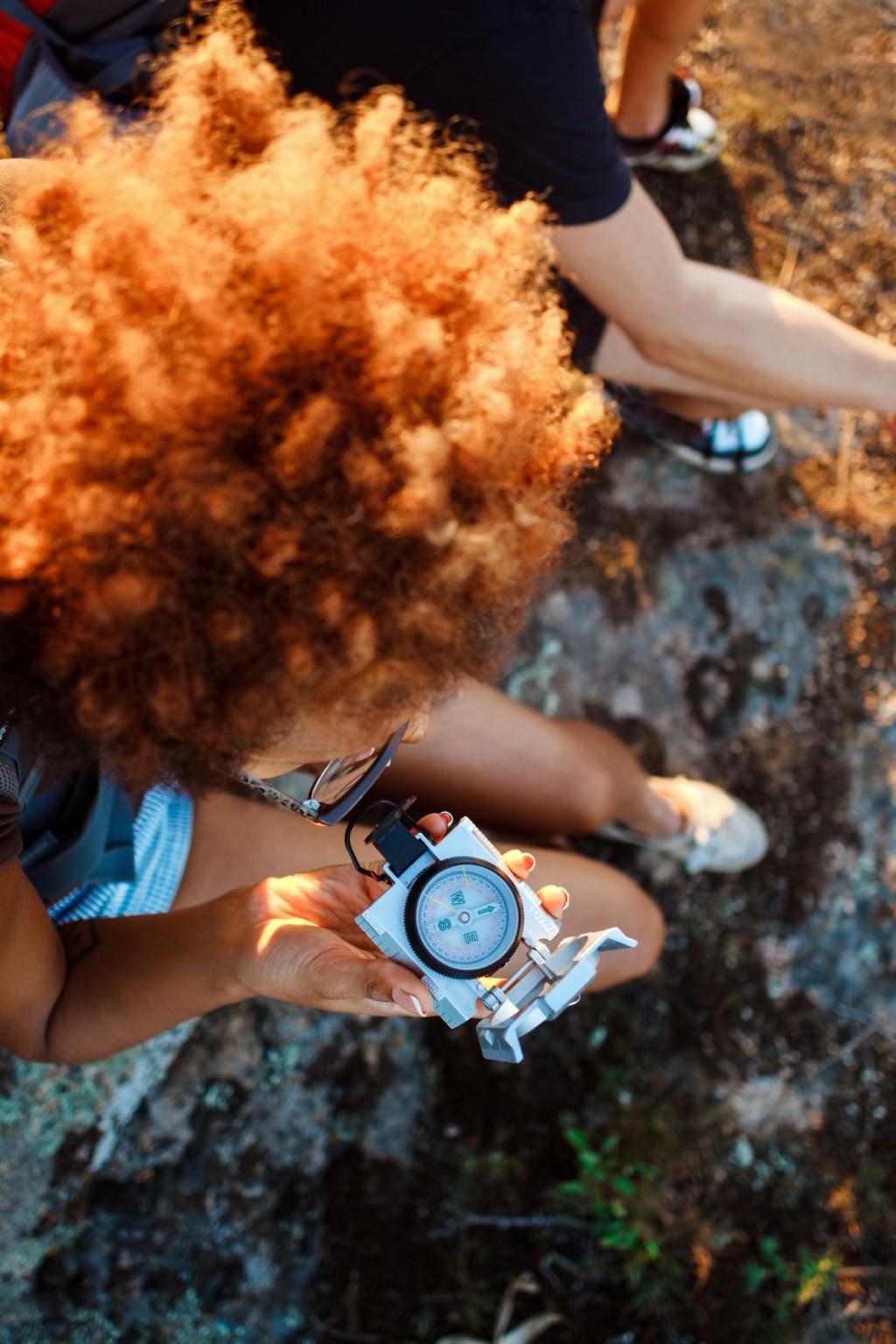
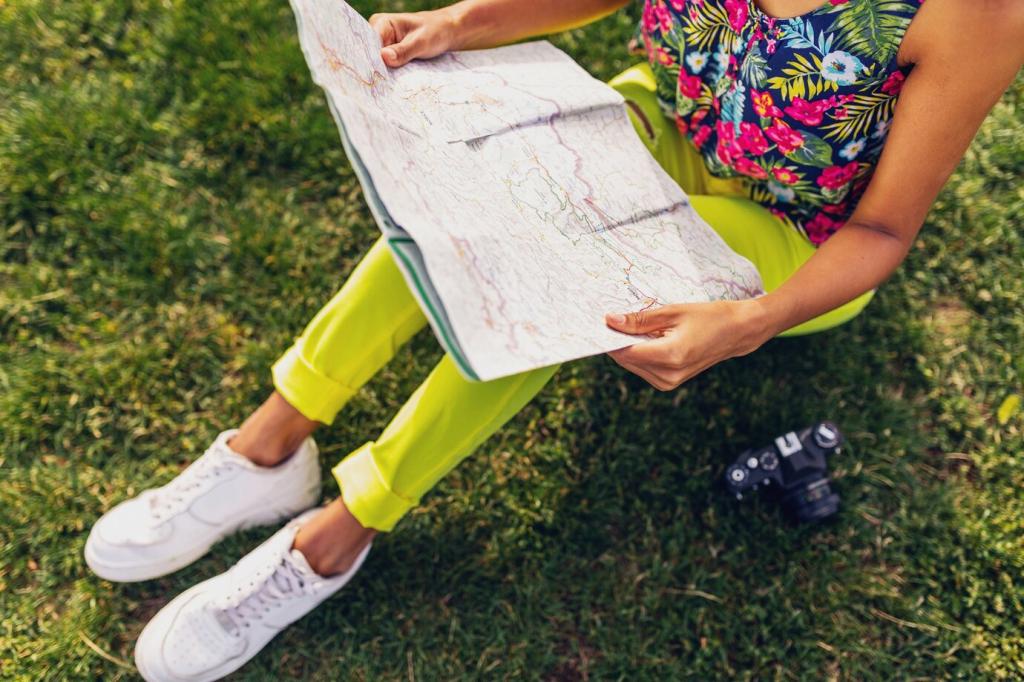
Carry a printed topo map in a zip bag and a baseplate compass, then practice orienting and taking bearings before you go. Fog, snow, or wildfire smoke can erase familiar landmarks. A ranger once told me, “Paper never crashes”—it stuck with me, and it’s saved me twice.

Navigation That Never Fails

Download offline maps on Gaia GPS or similar apps, then enable airplane mode to conserve battery. Record a breadcrumb track, carry a lightweight power bank, and store your phone warm to protect battery life. Share your preferred map layer for identifying water sources and elevation shading.

Hydration and Water Treatment

A common starting point is about half a liter per hour in mild conditions, more in heat or at altitude. Study maps for reliable sources; when dry, plan caches or start heavy. In Grand Canyon heat, I once carried four liters and finished grateful for every drop.

Hydration and Water Treatment

Squeeze filters are light and fast; backflush regularly to maintain flow. UV pens and chemical treatments are great backups. In areas with viral risk, choose a purifier rated for viruses. Always carry a failsafe method—purification tablets weigh almost nothing and can save a trip.
Weather, Sun, and Layering

Start with a wicking base, add an insulating mid-layer, and top with a breathable shell. Synthetic insulation shines in wet conditions; wool resists stink during multi-day travel. A compressible puffy turns snack breaks into comfortable pauses. What’s your go-to mid-layer in shoulder season chill?

Weather, Sun, and Layering

Pack a seam-sealed jacket with pit zips, lightweight rain pants or a kilt, and a pack liner for true waterproofing. A small umbrella earns its keep during warm showers. Check forecast discussions, not just icons, and know lightning safety. Share your best storm-dodging tactics.

Safety, First Aid, and Wildlife

Stock bandages, blister care, an elastic wrap, antihistamines, pain relief, antiseptic, and a space blanket. Include a tick remover and gloves. Practice using each item before you need it. Add any personal meds with reminders. What’s the one item you’ve actually used most often?

Safety, First Aid, and Wildlife

In bear country, carry bear spray where legal, know how to deploy, and store food properly. Keep at least 100 yards from bears and wolves, and 25 yards from other wildlife. Give animals room, read behavior, and stay calm. Share your best wildlife encounter handled the right way.

Lighting, Power, and Communication

01
Choose a headlamp with a reliable lockout, red mode, and at least 200 lumens for rocky trails. Pack spare batteries or a rechargeable unit. Mine saved a predawn ascent when trail cairns vanished in shadow. What’s your favorite headlamp feature for pre-sunrise starts?
02
Match power bank capacity to trip length, keep devices in airplane mode, and protect batteries from cold by storing them close to your body. Label and bundle cords to avoid tangles. Solar rarely pays off on wooded trails, but shines during desert layovers. Share your charging routine.
03
Snap a photo of posted alerts, stop by visitor centers, and note emergency numbers. Share trip plans before leaving service and set a reasonable check-in window. A small notebook helps track mileage, water, and weather signs. Tell us which park bulletin saved you from a last-minute detour.
Elperfektion
Privacy Overview

This website uses cookies so that we can provide you with the best user experience possible. Cookie information is stored in your browser and performs functions such as recognising you when you return to our website and helping our team to understand which sections of the website you find most interesting and useful.